RET or MVTR - rates a fabrics ability to absorb and release moisture
Drivers comfort on the track is a vital issue for their safety, welfare and performance. To focus drivers need to eliminate all distractions. The SFI & FIA homologates karting and auto racing apparel for their ability to resist flames, heat penetration, tensile strength, abrasion - and more, but not breathability. The ability for a suit to breath (pass moisture away from the skin) is critical to a drivers comfort. A fabrics ‘breathability’ has two recognized testing methods - RET - resistance of evaporation of a textile and MVTR - moisture vapor transmission rate.
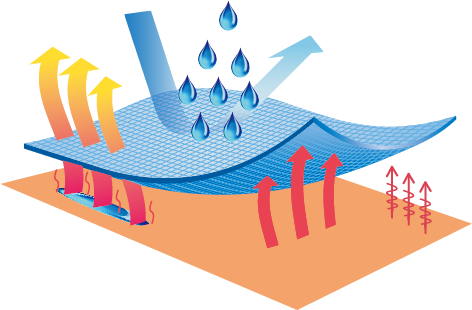
The RET score uses a numerical index and most commonly referred to in racing suits:
RET < 6: The material is extremely breathable, keeping you comfortable during your most intense physical activities
RET between 6 & 12: The material is very breathable, making it suitable for moderate efforts
RET between 12 & 20: The fabric is moderately breathable, and therefore not particularly pleasant to wear during a physical effort
RET > 20: The fabric is not very breathable and therefore not suitable to be worn during physical exercise
RET > 40: The fabric is considered non-breathable
MVTR - The most common international unit for the MVTR is g/m2/day - grams per square meter during a specified period of time - usually 24hrs. Higher value indicates better removal of vapor and moisture,