
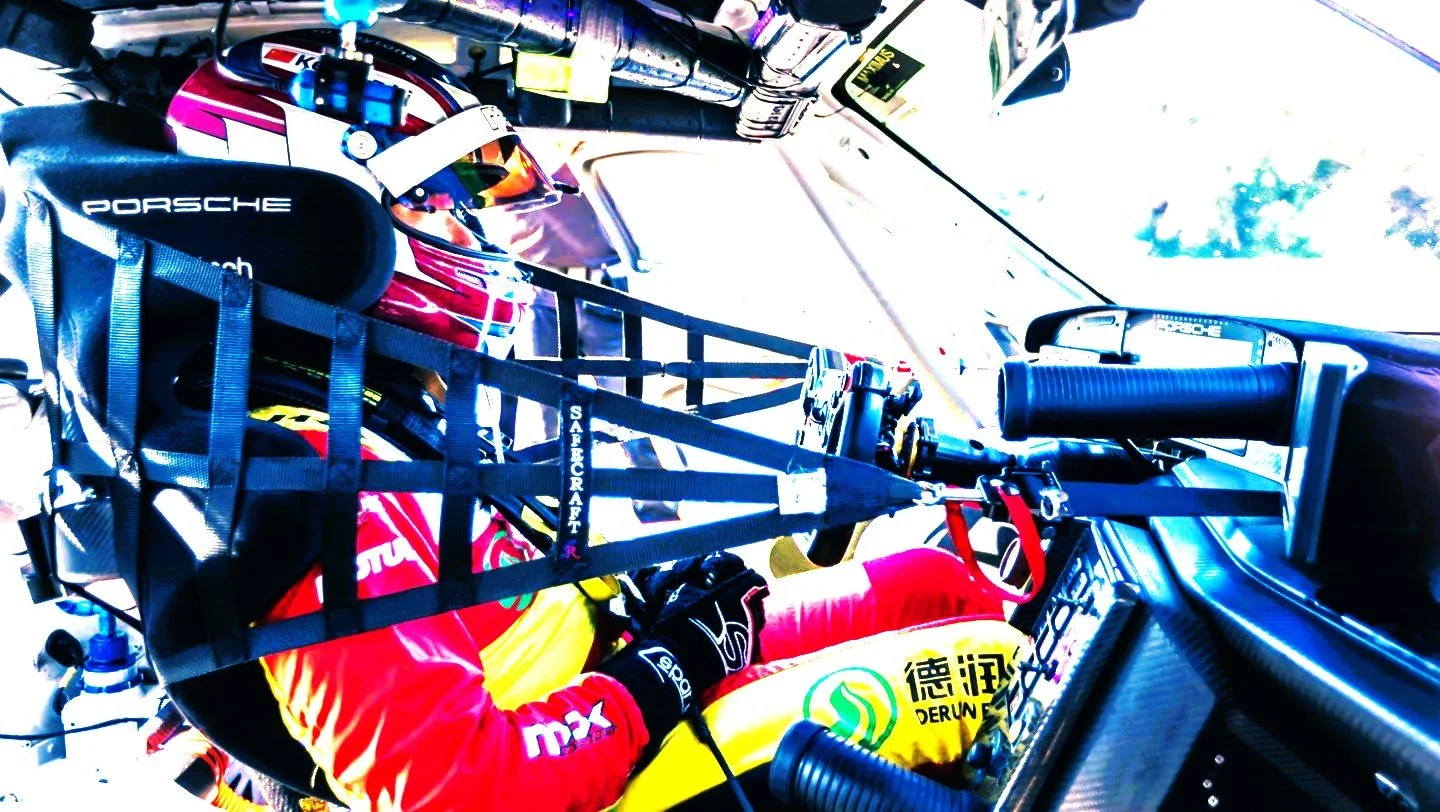
If it is hot outside, it is can be 30-40 degrees hotter inside a race or a track prepped car.
what to know
-
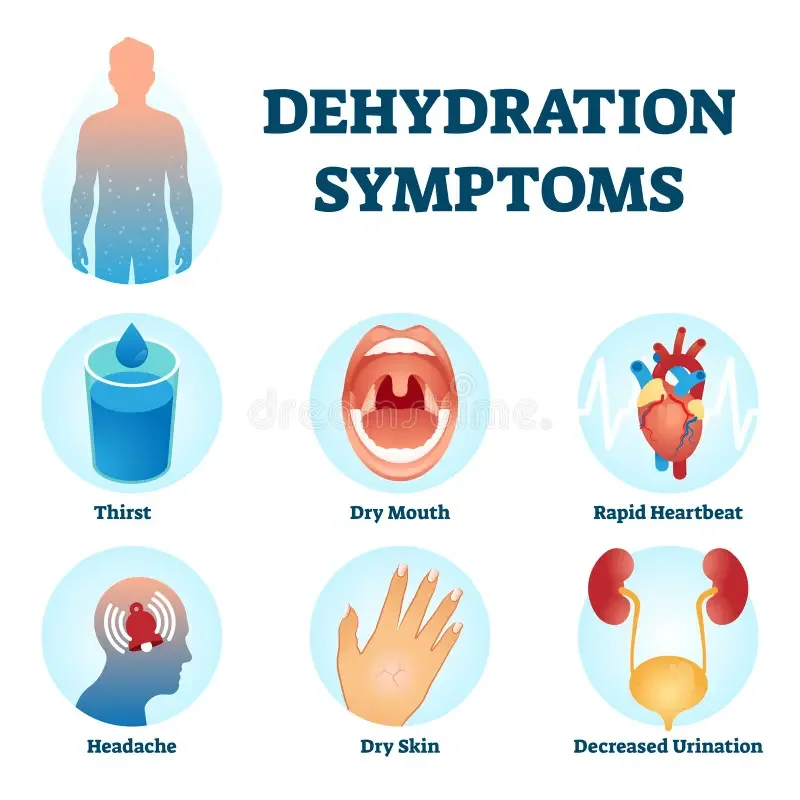
Fluid loss & Electrolyte Imbalance
Motorsports drivers are subject to extreme conditions that rapidly deplete their fluid reserves.
Through dehydration drivers can loose 5-7lbs during a race. F1 drivers can claim 15lbs.
Race apparel and helmets add to the problem - they are not that breathable.
Heat exhaustion in drivers is primarily caused by a combination of factors that disrupt the body's natural cooling process and lead to dehydration and electrolyte imbalance.
Dehydration and electrolyte imbalance impairs the body's ability to regulate temperature and can cause fatigue, dizziness, and reduced cognitive function, all of which can be very dangerous for drivers.
-
Heat exhaustion will distract the driver, and all driver distractions are dangerous.
Heat Exhaustion will affect drivers’ Reaction Time, Short Term Memory, and Focus.
It is critical for drivers, and especially racers, to understand heat exhaustion, recognize the symptoms, be prepared for it and know what to do.
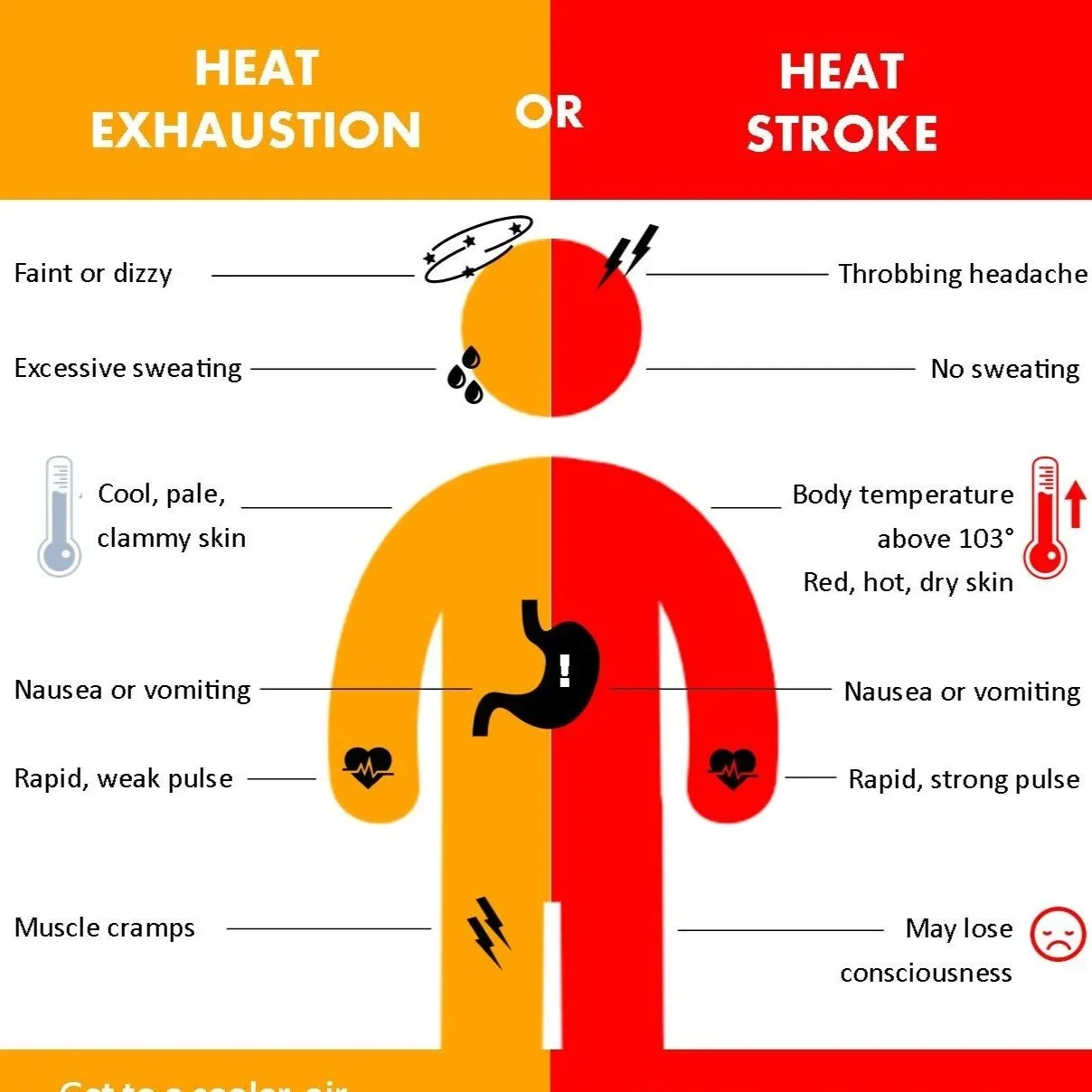
Heat exhaustion can quickly migrate to to heat stroke which is very dangerous and requires immediate medical attention.
Know the difference between heat exhaustion & heat stroke - act quickly.
Be vigilant, but not just for yourself - observe your co-drivers, your team members, your pit crew, family members and your friends.
-
the driver problem
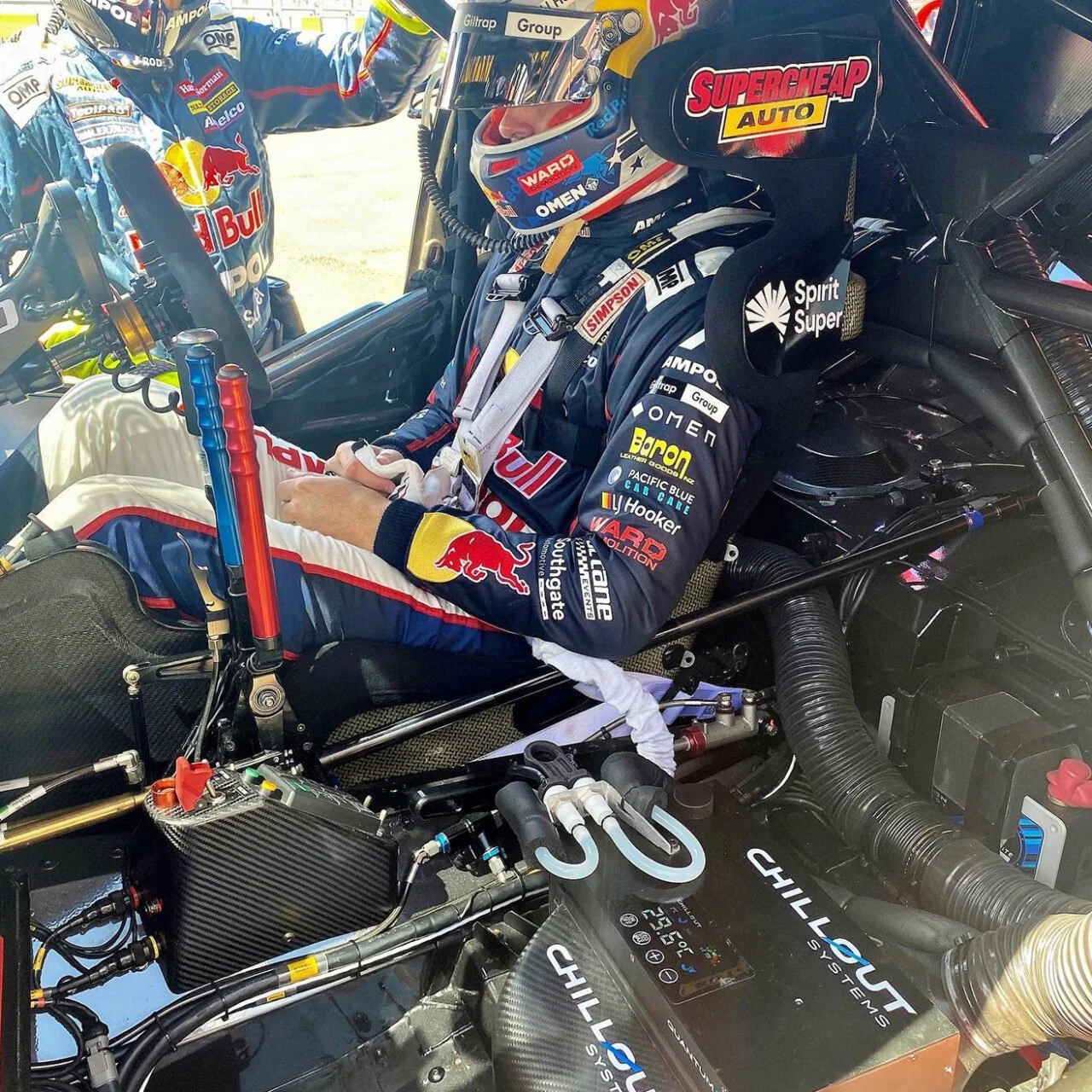
The problem is drivers and racers are so focused on their vehicle, race, their performance, the electronics, the data, the track, their markers etc. that they often miss (or ignore) the early systems of dehydration and heat exhaustion.
We have seen many drivers and racers survive their session/stint and then collapse as they leave the car. Some have to be pulled out of the car.
Proper hydration has been shown to play a key role in multiple cognitive aspects of performance, including the prevention of “brain fog” in endurance race car drivers.
If fluids are not replenished, significant systems within the body begin to become compromised,
Start your hydration protocol at least one week before your event.